
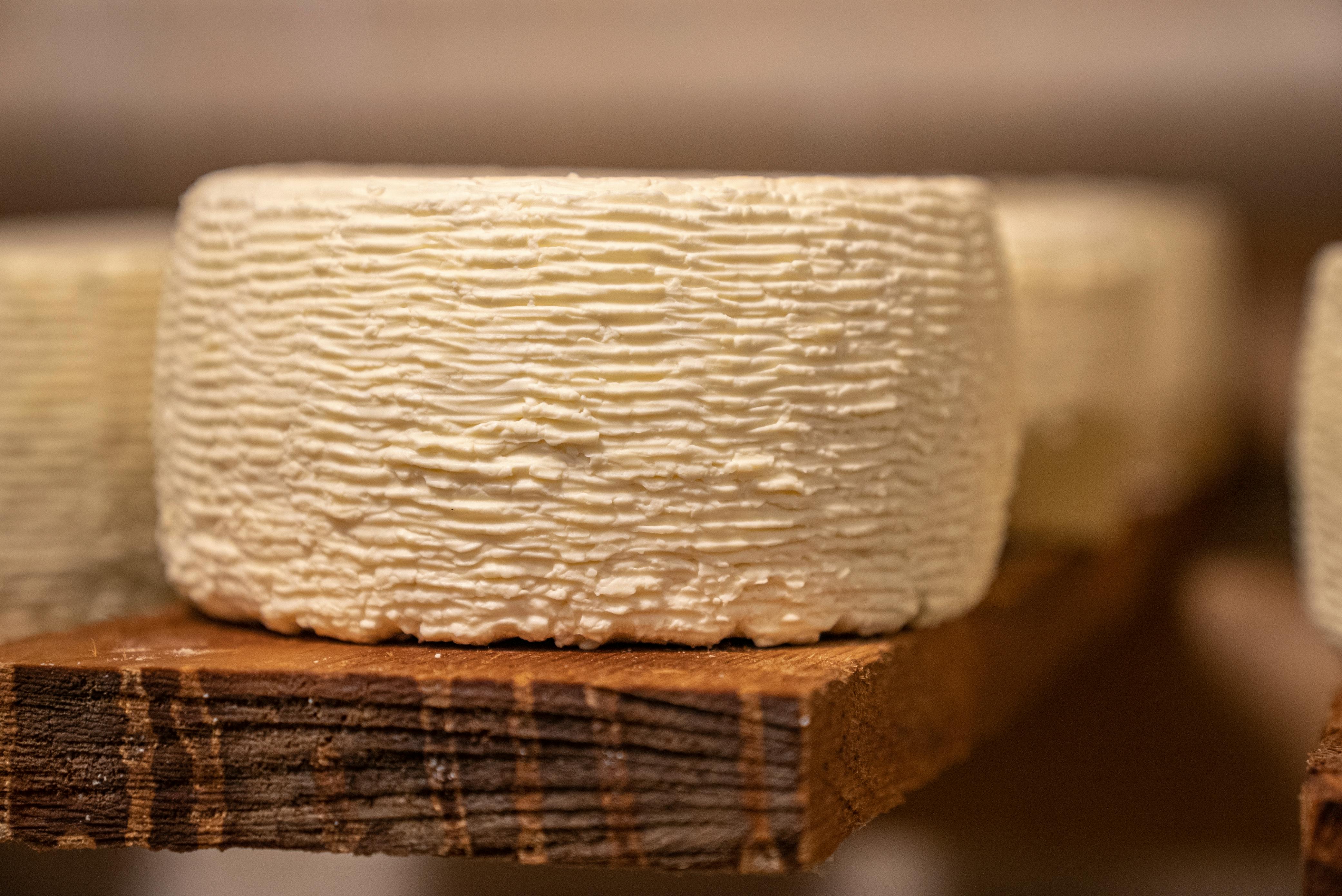
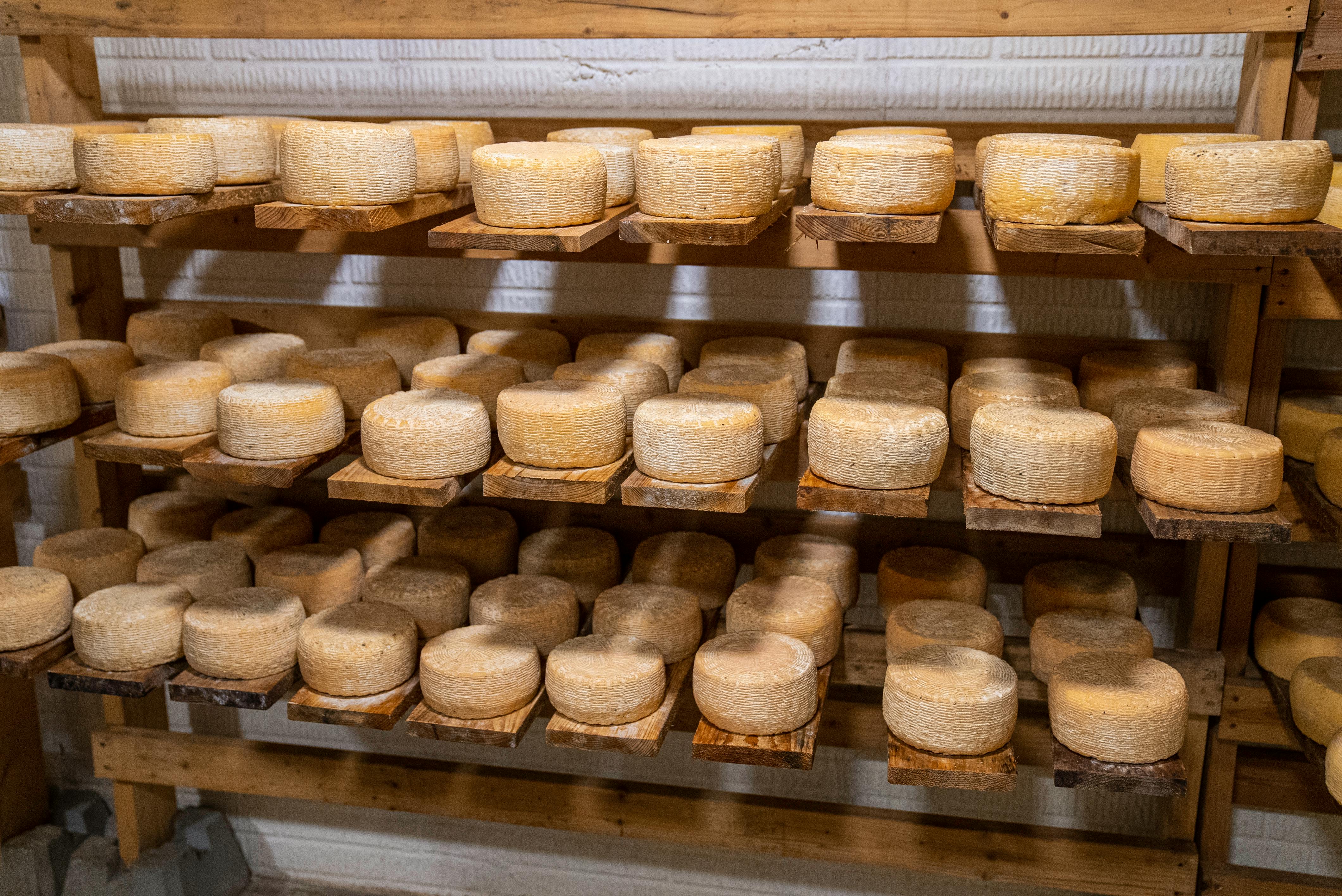
Northern Gran Canaria preserves one of the island’s most recognised cheese-making traditions. In municipalities such as Santa María de Guía, Moya and Gáldar, some of the archipelago’s most distinctive cheeses are produced, closely linked to the landscape, climate and livestock farming of the area.
Among them are Queso de Flor de Guía, Queso de Media Flor de Guía and Queso de Guía, all protected by a Designation of Origin and with a strong identity within Canarian gastronomy.
A cheese with its own origin
These cheeses are made mainly with milk from Canarian sheep, although some varieties may also include cow’s or goat’s milk. One of their most distinctive features is the traditional use of vegetable rennet from the cardoon flower, especially in the case of Queso de Flor de Guía.
This method gives the cheese its characteristic texture and a complex flavour profile, with notes that can range from creamy and mild to slightly bitter, depending on the type of cheese, its maturation period and the proportion of milk used.
The production area is limited to three municipalities in northern Gran Canaria: Santa María de Guía, Moya and Gáldar. The combination of pastures, mid-altitude landscapes, humidity and livestock farming tradition has helped define a product deeply connected to its surroundings.
A living tradition
Cheese-making in this part of the island is part of a rural culture passed down through generations. The work of shepherds and local dairies keeps alive a form of production that still depends on the rhythm of the animals, the season and the quality of the milk.
Beyond their gastronomic value, these cheeses represent an important part of Gran Canaria’s food heritage. Their recognition both on and beyond the island has helped position the north as a reference point for those seeking local products and experiences connected to the territory.
Flavours of the north
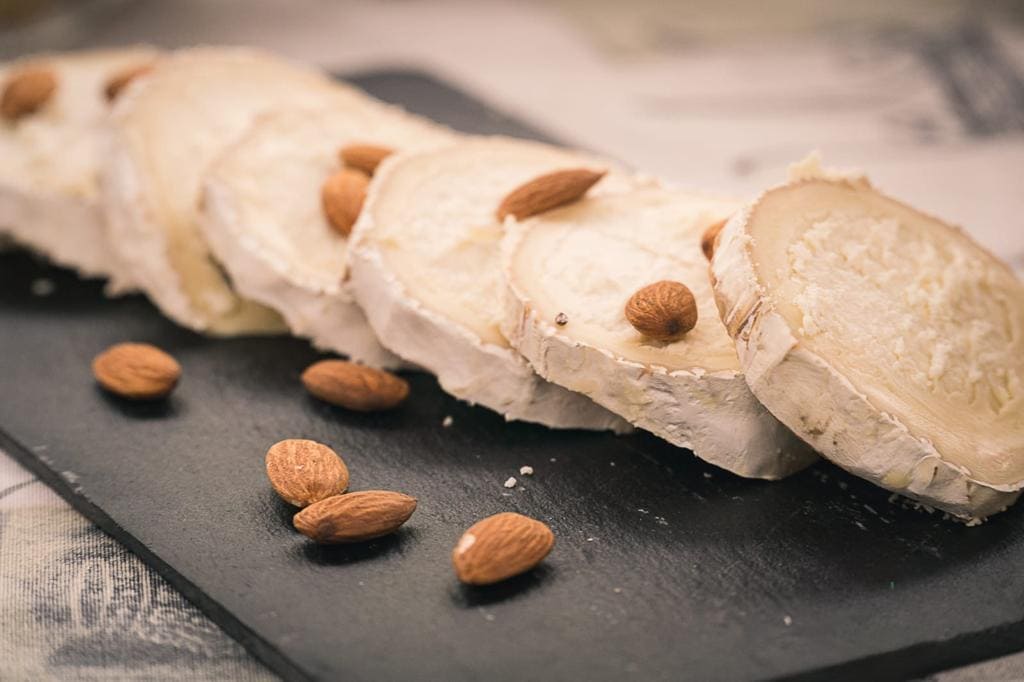
Northern Gran Canaria is particularly rich in local produce. Alongside its cheeses, the area is known for products such as Agaete coffee, watercress, onions, tomatoes and almond sweets — all part of a simple gastronomy closely connected to the landscape.
For those visiting this part of the island, tasting its cheeses is a direct way to discover its food culture. It does not require much ceremony: a selection of local cheeses, good bread, seasonal fruit or a local wine is often enough to better understand the character of the place.

At Redondo de Guayedra, life moves at nature’s pace: new beginnings, seasonal harvests and a landscape in constant transformation.
Subscribe to receive curated stories, meaningful experiences and exclusive privileges from our valley.
